Epoxy Floor for a Home Gym or Workshop in Riverside
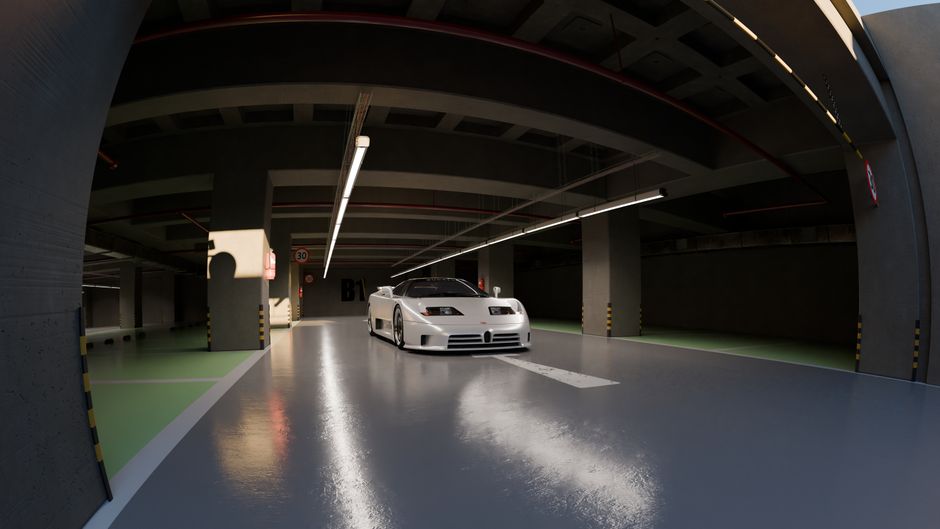
Epoxy is a good choice for a Riverside workshop and a reasonable base for a home gym, as long as the gym section gets thick rubber mats where weights are dropped. The coating handles oil, tools and daily wear well. It does not handle impact, hot work or a damp slab without some planning, and Riverside's heat, sun and dust add a few details worth knowing before anything gets rolled onto the concrete.
Epoxy in a Home Gym: Base Layer, Not Impact Layer
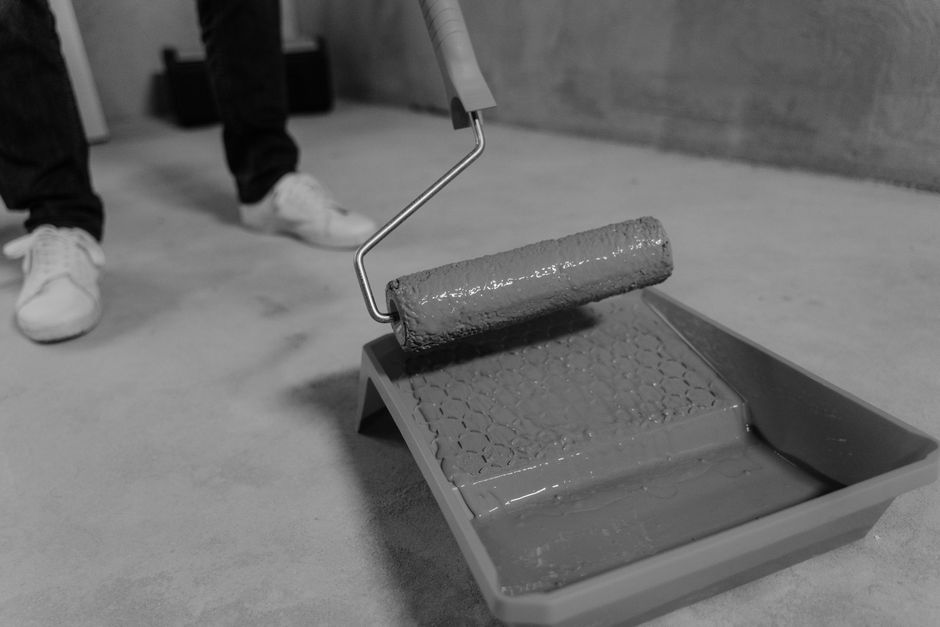
A dropped dumbbell, kettlebell or loaded barbell can chip or crack an epoxy coating, and it can spall the concrete underneath. Epoxy is hard, but hard is not the same as impact-proof. Treat it as a clean, sealed, easy-to-wipe surface under the gym, not as the thing that absorbs the weight.
In the lifting zone, lay thick rubber stall mats or build a proper lifting platform on top of the epoxy. Cardio equipment, benches, cable machines and stretching areas can sit directly on the coating, which keeps most of the garage looking finished while protecting the part that takes abuse.
Slip resistance matters more than most people expect
Cured epoxy is slick when wet or sweaty, and a glossy finish is not naturally safe for workouts. Ask for a broadcast aggregate or an anti-slip additive in the topcoat, especially where you do cardio, jump work or anything with quick foot movement. A floor that looks great in a showroom photo can be treacherous with a sweaty shoe on it.
Plan for downtime
Application fumes can be strong. Ventilate the space and keep the door between the garage and the house closed. Plan for the gym to be unusable during cure. Light foot traffic is usually possible within a day or so, but gym equipment should wait for the full cure time on the product label, which is often several days.
Epoxy in a Workshop: Where It Shines
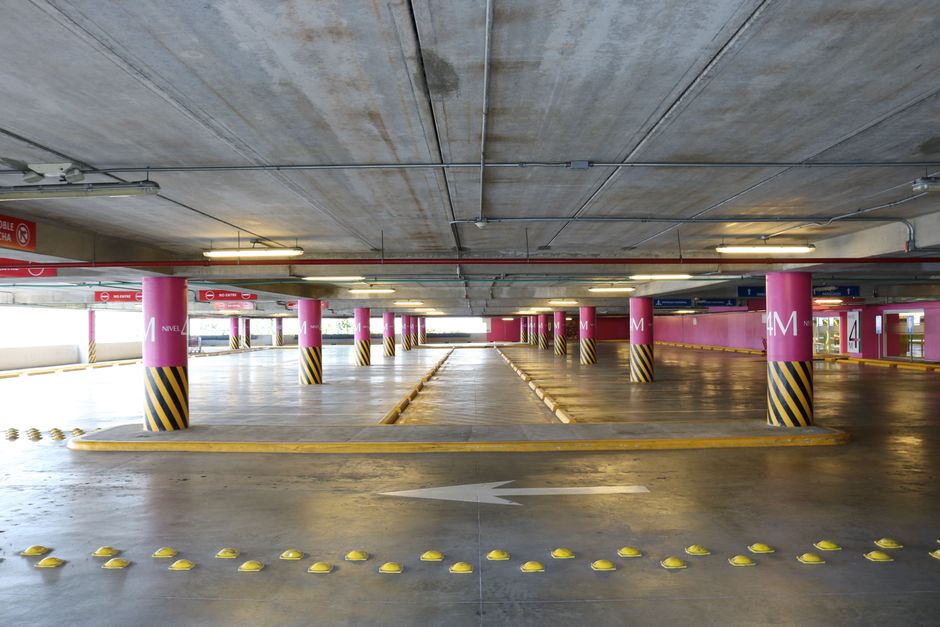
A workshop is the better match for epoxy. Cured epoxy resists oil, gasoline, brake fluid and most shop chemicals, and it wipes clean in a way bare concrete never does. The catch is timing: spills should be wiped up promptly, because some strong solvents and paint strippers can soften or stain the coating if they sit.
Hot work and heavy points
Welding spatter, grinding sparks and dropped hot parts can scorch or pit epoxy. Put a welding blanket or a steel or fire-resistant mat under any hot work area.
Weight concentrated on small points is the other workshop hazard. Jack stands, engine stands and floor jacks can dent or crack the coating, especially in the first weeks. Slide plywood or steel plates under them. Rolling tool chests and vehicles should also wait for the full cure time before they go on the floor.
Hot tires
Hot tire pickup, where a freshly parked tire lifts the coating, is worse after summer freeway driving. Thin one-coat kits are the usual culprit. A properly prepped, full-thickness system resists it far better, which matters if the workshop is also where the car lives.
Preparation Decides Whether It Lasts
Most failed epoxy floors fail at the bond, not in the coating itself. The concrete should be mechanically ground or shot blasted to open the pores. Acid etching alone often leaves weak bond spots that peel later. A store-bought one-coat kit does not perform the same as a ground, multi-coat system, and the gap shows up fastest in a gym or shop.
Old paint, sealers and deep oil stains also have to go. Epoxy will not bond reliably to old coatings or oil-soaked concrete. A simple water drop test helps: if water beads on the slab instead of soaking in, something is sealing the surface.
Cracks and joints
Epoxy does not stop cracks from moving. Fill existing cracks first with a flexible or epoxy crack filler. Cracks that are still moving, which is common where expansive clay soils shift a slab, will often reflect back through the coating. Leave control joints visible or fill them with a flexible joint filler, because coating rigidly over a working joint usually produces a straight crack in the finish along that line.
Moisture: Riverside's Dry Air Is Not a Test
Dry inland air does not mean a dry slab. Moisture can still rise from the soil below, and epoxy does not waterproof the slab or fix a moisture problem coming from underneath. Before coating, do a simple check: tape a square of clear plastic sheet tightly to the concrete, leave it a day or two, and look for darkened concrete or droplets underneath.
Older garages, including detached ones behind homes in long-established areas like the Wood Streets, may sit on slabs poured without a vapor barrier. Those are more likely to need a moisture-mitigating primer before any epoxy goes down.
Also look outside. Sprinklers, planters or a lawn running right up to the garage wall can keep the slab edge damp, and moisture pushing up from below is a common cause of bubbles and lifting along walls. Redirect irrigation away from the slab before coating.
Riverside Weather and the Application Window
Heat
Summer heat shortens working time. Mixed epoxy can set in the bucket or on the floor before it levels. Installers often work early in the morning, keep material cool and mix smaller batches. A hot garage in July or August is a poor time for a rushed DIY job.
Cool slabs
Check the slab temperature, not just the air. The concrete should stay comfortably above the dew point during application and cure. On cooler winter mornings an unheated slab can be colder than you expect.
Wind and dust
Santa Ana winds carry dust and debris into an open garage. Keep the door closed during application and the first cure, or grit and leaves can end up embedded in the finish.
Sun
Standard epoxy yellows and chalks under UV, and not all epoxy is UV-stable. Inland sun striking a floor through an open west or south facing garage door will show over time. A UV-stable topcoat such as polyaspartic or aliphatic polyurethane over the epoxy holds color much better, and it is worth specifying if the door stays open while you train or work.
Keeping the Floor in Good Shape
Epoxy is low maintenance, not no maintenance. Sweep with a soft broom or dust mop and wash with a mild, pH-neutral cleaner. Grit tracked in from Riverside's dusty conditions acts like sandpaper under shoes and wheels and dulls the finish over time.
Inspect the floor once a year for wear paths, chips and lifting edges. Patch chips early, because moisture and grime get under the edge and let the damage spread. A worn but well-bonded floor can usually be lightly sanded and recoated with a fresh topcoat. Waiting until it peels in sheets usually means a full grind and redo.
Which Space Gets the Better Deal
For a workshop, epoxy is an easy yes when the slab is dry, the prep is thorough and hot work areas are protected. For a home gym, it is a yes with conditions: anti-slip texture in the topcoat, rubber mats or a platform under the weights, and a UV-stable finish if the door faces the afternoon sun. A garage that does both jobs can have both, with the shop side left exposed and the gym side matted.